
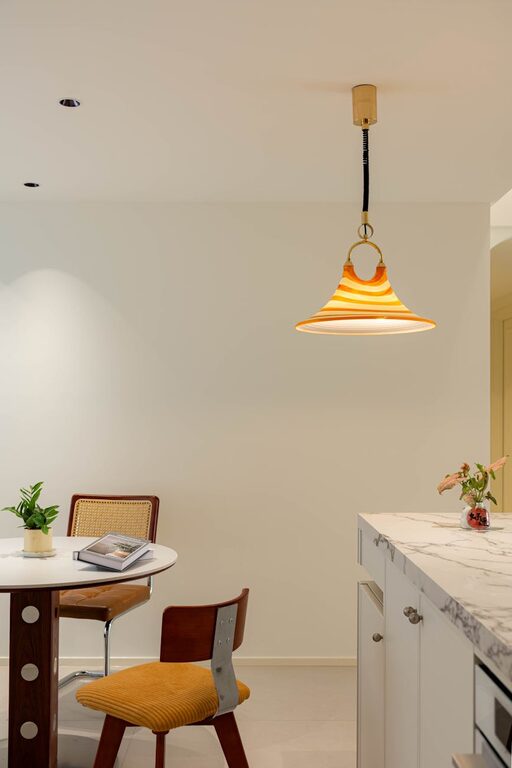
A dark room can sometimes feel cramped and uninviting, making it hard to enjoy the space fully. Whether you’re dealing with limited natural light, dark walls, or heavy furniture, there are plenty of quick and affordable ways to add brightness and vitality to any room. Below are some practical ideas to help you transform that dim space into a light-filled, cheerful area.
Understand the Source of Darkness
Before diving into solutions, it’s important to identify why the room feels dark:
– Limited natural light due to small or shaded windows
– Heavy, dark-colored furniture and décor
– Dark wall paint or wallpaper
– Lack of artificial lighting
– Clutter blocking light flow
Knowing the cause will help you choose the most effective strategies to brighten your room.
1. Use Light Colors on Walls and Ceilings
One of the simplest ways to make a room feel brighter is by using light, neutral colors.
– Paint Walls in Whites or Pastels: Colors like soft white, cream, pastel blue, or pale gray reflect more light, instantly opening up the space.
– Paint the Ceiling Bright White: A bright ceiling draws the eye upwards and maximizes light reflection.
– Accent Walls: If you don’t want to paint the entire room, consider a light accent wall opposite your main window to reflect more daylight.
2. Maximize Natural Light
Natural light will always be your best friend for brightening any room.
– Remove Heavy Curtains: Replace thick drapes with sheer or light-colored curtains that let sunlight in while maintaining privacy.
– Keep Windows Clean: Dirt and grime reduce sunlight. Regularly clean both inside and outside of windows.
– Use Mirrors: Placing mirrors across from windows bounces light around the room and creates the illusion of more space.
3. Add More Artificial Lighting
When natural sunlight is limited, artificial lighting can make a big difference.
Layer Your Lighting
Combine different light sources for balanced brightness:
– Ambient Lighting: Use ceiling lights or flush mounts to provide general illumination.
– Task Lighting: Table lamps or floor lamps near workspaces improve functionality and add warmth.
– Accent Lighting: Use wall sconces or strip LED lights to highlight artwork or architectural features.
Choose the Right Bulbs
– Use LED bulbs with a warm white or daylight color temperature (around 3000K to 5000K). These bulbs mimic sunlight and reduce shadows.
– Consider bulbs with higher lumens for brighter light output.
4. Reflective and Light-Enhancing Surfaces
Surfaces that catch and spread light can brighten a room subtly but effectively.
– Mirrored Furniture: A mirrored dresser or side table reflects light and adds elegance.
– Glossy or Semi-Gloss Paint Finishes: These finishes on walls or cabinetry bounce more light than matte surfaces.
– Glass or Metallic Décor: Items like glass vases, chrome lamps, or metallic picture frames increase light reflection.
5. Rearrange Furniture for Better Flow
How furniture is arranged can affect how light moves through a room.
– Keep Windows Unobstructed: Move bulky or dark furniture away from windows to allow maximum light penetration.
– Use Smaller, Lighter Furniture: Large, heavy furniture pieces can make a room feel closed in. Opt for lighter colors and smaller scale items.
– Create Open Pathways: An open layout allows light to travel freely within the room.
6. Incorporate Plants and Natural Elements
Plants add life and freshness, helping a dark room feel more airy.
– Choose plants that thrive in low-light conditions, such as snake plants, pothos, or ZZ plants.
– Position plants near light sources to make the most of natural or artificial light.
7. Use Light and Bright Accessories
Small changes can add up for big results.
– Bright Cushions and Throws: Use yellows, oranges, or light blues to create interest and reflect light.
– Artwork with Light Colors: Hang paintings or prints with bright and light tones to energize the walls.
– Rugs: Choose rugs in lighter shades or with reflective fibers.
8. Declutter and Simplify
Clutter absorbs light and makes spaces feel cramped and gloomy.
– Keep surfaces clear and eliminate unnecessary items.
– Store items in closed cabinets to maintain a neat appearance.
– Use minimal décor to keep rooms feeling open.
Summary
Brightening a dark room doesn’t have to be expensive or complicated. By repainting with light colors, maximizing natural and artificial light, using reflective surfaces, rearranging furniture, and adding bright accessories, even the darkest room can become a bright and welcoming space. Give these tips a try, and enjoy the transformation in your home.
—
Feel free to experiment with these ideas one at a time to see what works best in your specific room. Sometimes, small changes can lead to big improvements in how a space feels and functions. Happy decorating!