
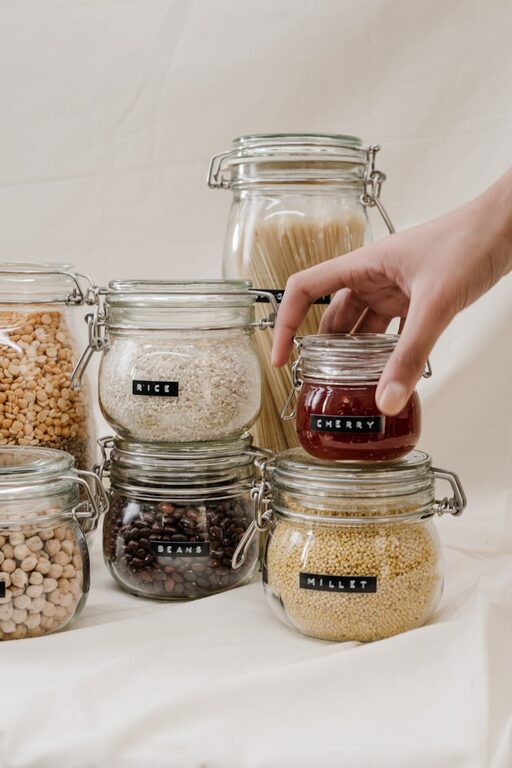
When life gets busy, planning meals with pantry staples can be a real lifesaver. Having a well-stocked pantry and knowing how to use those ingredients efficiently helps you whip up meals quickly, save money, and avoid last-minute trips to the grocery store. In this post, we’ll explore how to plan meals around pantry staples and share some useful tips to make mealtime easier.
Why Plan Meals Around Pantry Staples?
Pantry staples are non-perishable ingredients that you keep on hand, such as canned goods, dried grains, beans, spices, and oils. These items have a long shelf life and a wide range of uses. Here are some benefits of planning meals around pantry staples:
– Convenience: You can create meals anytime without needing fresh ingredients immediately.
– Cost Savings: Buying staples in bulk often costs less per serving.
– Reduced Food Waste: Using what you already have prevents spoilage.
– Flexibility: Staples can serve as a base for many dishes, allowing you to customize with whatever fresh ingredients you have.
Step 1: Take Inventory of Your Pantry
Start by checking your pantry and fridge for the staples you already have. Write down everything — from rice, pasta, canned tomatoes, and beans to spices and oils. This inventory will become the foundation of your meal planning.
Tips for Inventory:
– Group items by category (grains, canned goods, baking supplies).
– Check expiration dates to prioritize using older items.
– Note special items like nuts, dried fruits, or flavorings.
Step 2: Build a Pantry Staples List
If your pantry needs restocking, here are common staples worth having:
– Grains: Rice, pasta, quinoa, oats, couscous
– Canned Goods: Beans, tomatoes, coconut milk, corn, tuna
– Baking essentials: Flour, sugar, baking powder, baking soda
– Oils & Vinegars: Olive oil, vegetable oil, apple cider vinegar, balsamic vinegar
– Herbs & Spices: Salt, pepper, garlic powder, chili flakes, dried herbs
– Other: Stock cubes, nut butters, honey, soy sauce
Having a versatile selection allows you to mix and match ingredients.
Step 3: Plan Meals Through Themes or Categories
One effective way to plan is by focusing on familiar meal types that rely on pantry ingredients. Examples include:
Soups and Stews
Use canned tomatoes, beans, lentils, and spices to create hearty soups. Add vegetables or meat if available.
Pasta Dishes
Combine pasta with canned tomatoes, garlic, olive oil, and herbs for a simple sauce. Toss in beans or tuna for protein.
Stir-Fries and Rice Bowls
Using rice or quinoa as the base, add sauces like soy sauce and chili flakes with canned or frozen veggies.
Salads and Wraps
Make bean salads with canned beans, olive oil, vinegar, and herbs. Wraps can be made with tortillas and filling from pantry proteins.
Step 4: Create a Flexible Meal Plan
Now, use your inventory and staple list to map out meals for the week. Keep these tips in mind:
– Start Simple: Plan 3-4 main meals around pantry items.
– Include Fresh Components: Add fresh produce or proteins you have on hand.
– Batch Cook: Prepare larger portions to save time.
– Stay Adaptable: Swap ingredients if you run out or want variety.
Step 5: Get Creative with Recipes
Here are some easy recipe ideas based on pantry staples:
Chickpea Curry
– Canned chickpeas
– Coconut milk
– Curry powder or spice mix
– Canned tomatoes
– Rice or naan bread (store-bought or homemade)
Sauté spices, add tomatoes and coconut milk, simmer chickpeas, and serve with rice.
Pasta Aglio e Olio
– Pasta
– Olive oil
– Garlic (fresh or powder)
– Chili flakes
– Parsley or dried herbs
Boil pasta, sauté garlic in olive oil with chili flakes, toss pasta in oil, and garnish.
Bean and Rice Burrito Bowls
– Cooked rice
– Canned black beans
– Corn
– Spices like cumin and chili powder
– Salsa or canned tomatoes
Combine ingredients and top with any fresh toppings available like cheese or lettuce.
Step 6: Store Staples Smartly
To maintain shelf life and quality:
– Keep pantry items in cool, dark places.
– Use airtight containers for dry goods.
– Regularly check and rotate stock to use older items first.
– Label containers if transferring from original packaging.
Bonus Tips for Successful Pantry Meal Planning
– Keep a Running Grocery List: Add items you use frequently.
– Use Apps or Notes: Track your pantry inventory digitally.
– Experiment with New Ingredients: Occasionally try new staples to diversify meals.
– Involve Family: Ask for favorite pantry-based meals to build meal ideas.
—
Planning meals with pantry staples is not only practical but also enjoyable once you get comfortable. You’ll find that with a little creativity and organization, you can create delicious, nutritious meals anytime, with less stress and more savings.
Try using these steps this week and see how your pantry can become your best kitchen ally! Happy cooking!