
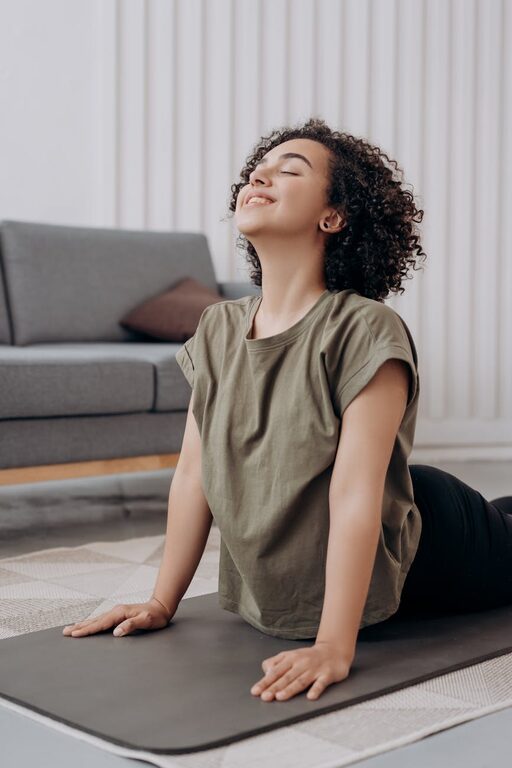
Stretching at home is a simple yet powerful way to improve your flexibility, relieve muscle tension, and enhance your overall health. Whether you’re new to stretching or want to build a consistent routine, this beginner’s guide will help you get started safely and effectively.
Why Stretching Matters
Stretching helps keep your muscles flexible, strong, and healthy, which is essential for maintaining a full range of motion in your joints. Regular stretching can:
– Reduce muscle stiffness and soreness
– Improve circulation and posture
– Enhance athletic performance
– Lower the risk of injury during physical activity
– Promote relaxation and reduce stress
It doesn’t require special equipment or a gym membership—just a small space and a little time in your day.
Preparing to Stretch at Home
Before you begin, there are a few things to keep in mind:
– Choose comfortable clothing: Wear loose-fitting clothes that allow you to move freely.
– Warm up your body: Stretching cold muscles can cause injury. Spend 5–10 minutes warming up with light activities like walking or marching in place.
– Find a quiet area: Try to create a calm environment where you can focus without distractions.
– Use a mat or soft surface: A yoga or exercise mat can cushion your joints and provide extra support.
Basic Stretching Guidelines
Follow these tips to stretch safely and effectively:
– Stretch slowly and gently; avoid bouncing or jerky movements.
– Hold each stretch for 20–30 seconds, breathing deeply and steadily.
– Stretch both sides of your body equally.
– Never stretch to the point of pain; mild tension is enough.
– Listen to your body and modify stretches as needed.
Simple Stretches to Start With
Here are some beginner-friendly stretches you can practice daily:
1. Neck Stretch
– Sit or stand tall with your shoulders relaxed.
– Slowly tilt your head to the right, bringing your ear toward your shoulder.
– Hold for 20–30 seconds, then switch sides.
– This stretch helps relieve tension in your neck and shoulders.
2. Shoulder Rolls
– Stand or sit with your back straight.
– Lift your shoulders up towards your ears, then roll them backward in a circular motion.
– Repeat 10 times, then reverse the direction.
– This warm-up increases shoulder mobility and reduces stiffness.
3. Chest Opener
– Stand with your feet hip-width apart.
– Clasp your hands behind your back and straighten your arms.
– Lift your chest and gently pull your hands away from your body.
– Hold for 20–30 seconds to stretch your chest and improve posture.
4. Seated Forward Bend
– Sit on the floor with your legs extended straight ahead.
– Inhale and lengthen your spine, then exhale and lean forward from your hips.
– Reach toward your toes without forcing the stretch.
– Hold for 20–30 seconds to stretch your hamstrings and lower back.
5. Cat-Cow Stretch
– Start on your hands and knees in a tabletop position.
– Inhale as you arch your back, lifting your tailbone and head (Cow Pose).
– Exhale as you round your spine, tucking your chin and tailbone (Cat Pose).
– Repeat this sequence 8–10 times to warm up your spine.
6. Standing Quadriceps Stretch
– Stand tall and hold onto a chair or wall for balance if needed.
– Bend your right knee and bring your heel toward your buttocks, holding your ankle.
– Keep your knees together and hips pushed slightly forward.
– Hold for 20–30 seconds, then switch legs.
– This stretch targets the front of your thigh.
7. Child’s Pose
– Kneel on the floor and sit back onto your heels.
– Extend your arms forward and lower your chest toward the floor.
– Relax your forehead on the ground and breathe deeply.
– Hold for 30 seconds to gently stretch your back and hips.
Creating a Stretching Routine
Consistency is key to experiencing the benefits of stretching. Here’s how to build a routine:
– Start small: Begin with 5–10 minutes a day and gradually increase.
– Pick a time that works: Many people prefer stretching in the morning to wake up, or in the evening to unwind.
– Mix and match stretches: Choose stretches targeting areas where you feel tight or want to improve flexibility.
– Listen to your body: Some days you may stretch more gently; other days you may feel stronger.
Tips for Staying Motivated
– Set reminders to stretch each day.
– Use apps or online videos for guided stretching sessions.
– Keep a journal to track progress and how you feel after stretching.
– Invite a friend or family member to stretch with you.
– Celebrate small improvements in flexibility and comfort.
When to Be Cautious
If you have any injuries, chronic pain, or medical conditions, consult with a healthcare professional before starting a new stretching routine. Always avoid stretches that cause sharp pain or discomfort.
Final Thoughts
Stretching at home is an accessible, low-cost way to enhance your health and well-being. With a few simple stretches and a bit of daily commitment, you can increase your flexibility, ease muscle tension, and feel more relaxed throughout your day. Give it a try and enjoy the benefits of moving your body in new and gentle ways!